
Release Tight Muscles and Feel Lighter After Every Session
When stubborn muscle knots and lingering soreness don’t let go, cupping therapy offers a gentle, drug-free way to loosen tissue and restore comfort. At Oxford Rehabilitation Center in Philadelphia, PA, our team uses cupping alongside physical therapy and acupuncture to ease pain, improve circulation and help your body recover so you can get back to the activities you enjoy.
Request an AppointmentWhat Is Cupping Therapy?
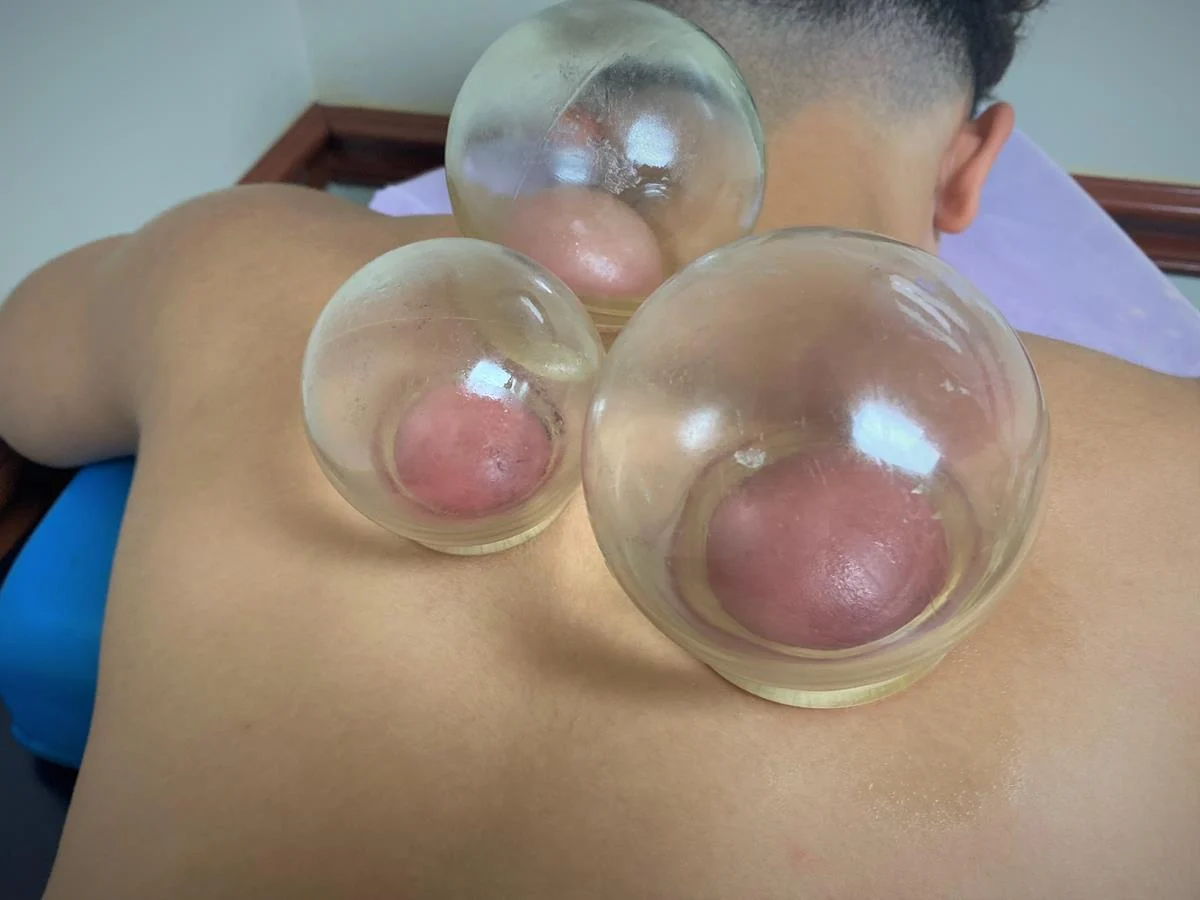
Cupping is a technique rooted in traditional Chinese medicine that has been practiced for thousands of years. Sterilized glass cups are warmed briefly with an alcohol flame to create a vacuum, then placed over specific areas of the body. As the air inside cools, the cup gently lifts the skin and underlying tissue, drawing fresh blood flow to the area and relaxing tight muscles.
During treatment, you rest comfortably either lying down or sitting in a forward-leaning position. Most patients describe a pulling or suction sensation rather than pain, and many notice meaningful relief once the cups are removed. Cupping has gained wide attention in recent years, with well-known athletes and public figures such as Michael Phelps, Jennifer Aniston and Gwyneth Paltrow using it as part of their recovery routines.
Benefits of Cupping
Cupping works by improving local circulation and easing tension in the muscles and fascia. Patients often turn to it for:
- Local pain relief in the back, neck and shoulders
- Muscle relaxation and reduced tightness
- Increased blood flow to support tissue recovery
- Softer, more flexible tissue around healing surgical scars
- Stress relief and a deeper sense of relaxation
Conditions Cupping May Help
Cupping is often used as part of a broader treatment plan for chronic pain and muscular complaints. At our Philadelphia clinic, we commonly use it for patients dealing with back pain, neck and shoulder tension, muscle tightness, headaches and migraines, osteoarthritis discomfort and sports injuries. In traditional practice, cupping has also been used to address stress, anxiety and certain respiratory or digestive concerns.

How Often Should You Get Cupping?
Cupping can typically be done up to two times per week. If a session leaves darker marks on the skin, we usually wait for them to fade before treating the same area again. Some patients come in weekly to manage ongoing stress and muscle tension, while others schedule sessions as needed when a flare-up occurs.
Combining Cupping With Other Care
Cupping pairs well with the other therapies we offer. Many patients receive it alongside acupuncture, manual therapy and targeted exercise so the relief from each session lasts longer and supports lasting progress.
Is Cupping Painful or Dangerous?
Because cupping can leave round, darker marks on the skin, it may look uncomfortable, but patients consistently report that the treatment itself is not painful. You’ll feel a firm suction sensation while the cups are in place. The marks, known as ecchymosis, are a normal response to the increased blood flow and typically fade within several days without discomfort.
Cupping is safe for most people. However, it is not recommended for patients taking anticoagulants (blood thinners), since these medications affect how the body forms clots. Let our team know about any medications or health conditions before treatment so we can make sure cupping is a good fit for you.
Cupping Therapy FAQs
How does cupping therapy work?
Cupping places cups on the skin to create suction, which gently lifts the skin and underlying tissue. This increases blood flow to the area, reduces muscle tension and supports the body’s natural healing response. It is commonly used for pain relief, inflammation and relaxation.
Does cupping hurt?
No. Most patients feel a pulling or suction sensation, but cupping is not painful when performed correctly. Many people find it deeply relaxing.
Will I have marks or bruising after treatment?
Yes, cupping often leaves round marks called ecchymosis. They are not painful and usually fade within several days. We typically wait for them to fade before cupping the same area again.
How long do the cups stay on?
On average, the cups stay in place for 15 to 30 minutes, depending on the area being treated and your comfort level.
How often should I get cupping therapy?
It depends on your condition and goals. Cupping can usually be done up to two times per week. Some patients come weekly for stress and tension, while others schedule sessions as needed for flare-ups.
Is cupping safe for everyone?
Cupping is safe for most people. It is not recommended for patients taking anticoagulants, or blood thinners. Please tell our team about any medications or health conditions before your session.
Is cupping covered by insurance?
Cupping is typically not covered by insurance, but coverage varies. We recommend checking with your insurance provider, and our front desk team is happy to help answer questions.
Ease Muscle Tension With Cupping Today
If tight muscles or lingering pain are holding you back, our team at Oxford Rehabilitation Center is ready to help. Call (215) 725-2000 or request an appointment online to find out whether cupping therapy is right for you.