Skilled Hands That Restore Movement and Ease Pain
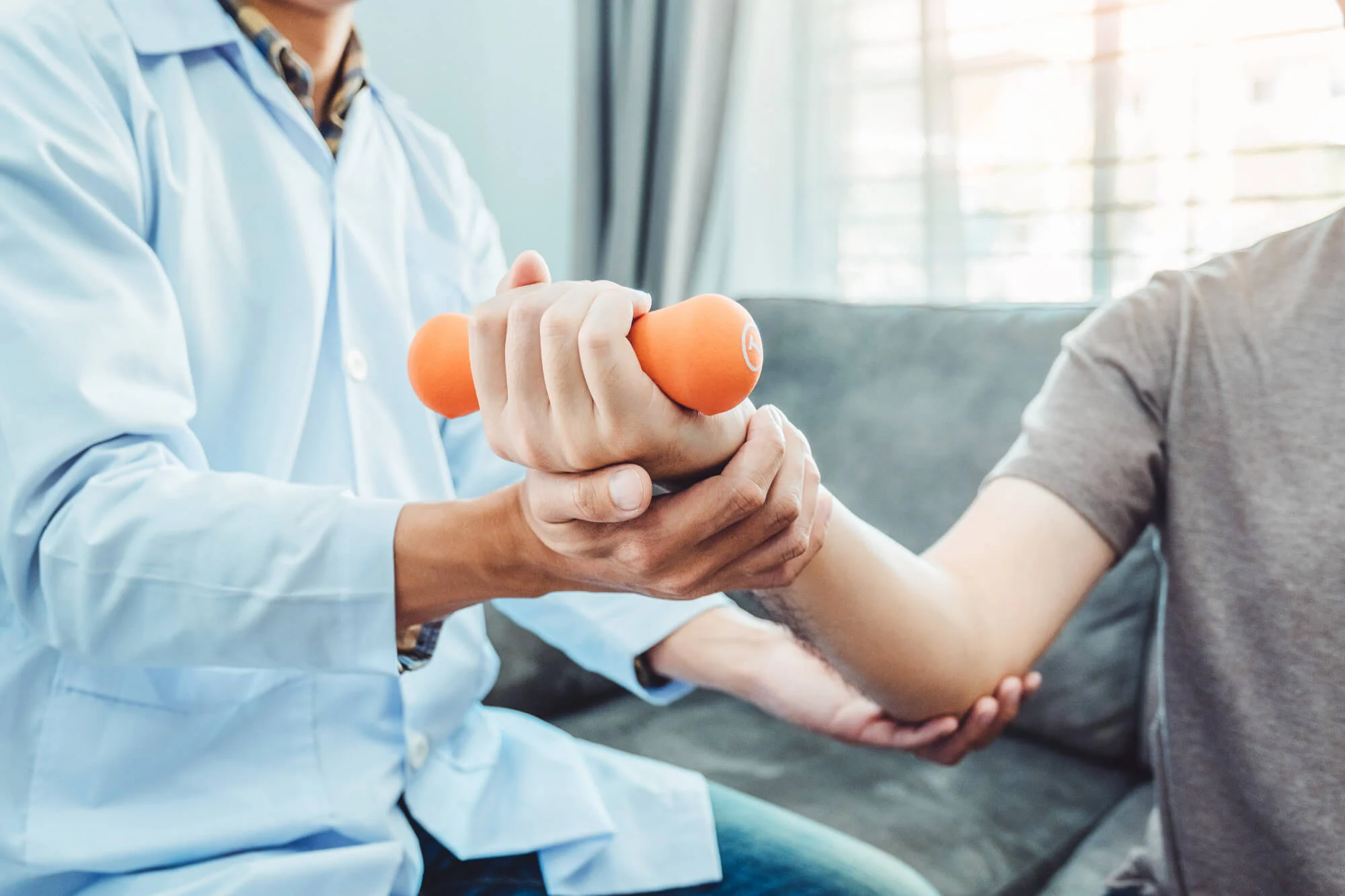
At Oxford Rehabilitation Center, our physical therapists use proven manual techniques to loosen stiff joints, release tight muscles, soften scar tissue and retrain the way your body moves. Hands-on care is a core part of our approach for patients in Philadelphia, PA recovering from injuries, accidents and surgery, and it is always paired with exercise so the gains you make in the clinic carry over to everyday life.
Request an AppointmentWhy Manual Therapy Matters in Your Recovery
Exercise alone does not always reach the source of pain. When a joint is locked up, a muscle is guarded or scar tissue has thickened, those restrictions can keep you from moving well enough to strengthen properly. Manual therapy addresses these problems directly. Your therapist uses their hands to assess how each joint and tissue is moving, then applies targeted techniques to restore normal motion, calm irritated nerves and reduce pain. Once that mobility is back, therapeutic exercise helps you build strength and control around it.
Hands-on techniques are a key part of our physical therapy programs and are often combined with other specialty treatments such as the Graston Technique for stubborn soft tissue restrictions.
Joint Mobilization
Joint mobilization helps patients regain movement in stiff or restricted joints. Your therapist manually glides, distracts and gently pivots the joint using graded forces, starting with light, rhythmic movements and progressing as your body tolerates them. This increases mobility, decreases pain and improves the joint’s ability to move smoothly. Joint mobilization can be applied to nearly every joint in the body, including the spine, shoulders, hips, knees, ankles, elbows and wrists, and it is especially useful when the joint surfaces or capsule are limiting range of motion.
Soft Tissue Mobilization
The muscles, tendons and fascia surrounding a joint play a major role in how freely it moves. Through soft tissue mobilization, your therapist applies specific pressure and stretching to these tissues to release tension, break up adhesions and improve the health and flexibility of the fascia. Relieving tightness around a joint restores range of motion and stimulates blood flow to the area, which helps calm sensitized nerves and further reduces pain. Patients often notice less stiffness and easier movement after their first few sessions.
Scar Management and Desensitization
Scar tissue is the body’s way of repairing tissue damaged by trauma or surgery. Unfortunately, this new tissue is not as flexible or functional as the original, and it can become thick, tender and restrictive, especially near or over a joint. Your therapist uses friction and percussion massage, stretching, compression and specialized instruments to restore circulation and flexibility to the scar. Desensitization techniques gradually reduce the hypersensitivity many patients feel around an incision or injury. The result is less pain, better movement and an improved appearance of the scar over time.
Neuromuscular Re-Education
Injury to joints and muscles can disrupt the normal patterns your nervous system uses to control movement, leading to compensation, weakness and poor balance. Neuromuscular re-education retrains and restores that communication between your brain, nerves and muscles. Your therapist incorporates proprioceptive neuromuscular facilitation (PNF) and muscle energy techniques (MET), guiding your body through motions used in everyday activity so normal movement patterns are re-established. This approach helps speed recovery after an operation, accident or illness and lowers the risk of re-injury.

Who Benefits From Hands-On Care
Manual therapy can help a wide range of patients, including those with:
- Neck, upper back and lower back pain
- Stiff or painful shoulders, hips and knees
- Injuries from car accidents, work incidents and sports
- Limited motion and scarring after orthopedic surgery
- Muscle tightness, tendon irritation and chronic pain
- Balance and coordination problems following injury
If you are recovering from an operation, hands-on techniques are a regular part of our post-surgical rehabilitation to help you regain motion safely.
What to Expect During Treatment
Your first visit begins with a thorough evaluation of your posture, joint mobility, muscle flexibility, strength and movement patterns. Based on these findings, your therapist chooses the manual techniques best suited to your condition and explains what each one is meant to accomplish. Treatment is adjusted to your comfort level, and you can always ask for lighter or firmer pressure. Most sessions combine hands-on work with targeted exercises and home instructions so your progress continues between appointments. As your mobility and strength improve, the focus gradually shifts toward independence and long-term prevention.
For more information about our hands-on physical therapy techniques, call Oxford Rehabilitation Center today at (215) 725-2000.
Questions About Manual Therapy
What is manual therapy in physical therapy?
Manual therapy is a group of hands-on techniques in which a physical therapist uses their hands to move joints, release soft tissue and guide movement. It includes joint mobilization, soft tissue mobilization, scar management and neuromuscular re-education, and it is used to reduce pain and restore normal motion.
Does hands-on physical therapy hurt?
Most patients find manual therapy comfortable. Some techniques may cause mild, temporary soreness, especially on tender or restricted areas, but your therapist adjusts the pressure to your tolerance and checks in with you throughout the session.
How is joint mobilization different from a chiropractic adjustment?
Joint mobilization uses slow, graded movements that gradually increase in intensity, while an adjustment typically uses a quick, targeted thrust. Both aim to improve joint motion, and your provider will recommend the approach that best fits your condition.
Can manual therapy help after surgery?
Yes. Once your surgeon clears you for therapy, hands-on techniques help restore joint motion, reduce swelling and stiffness, and soften scar tissue so it does not limit your movement. They are a routine part of post-surgical rehabilitation.
How many sessions will I need?
The number of sessions depends on your condition, how long you have had symptoms and your goals. Many patients notice improvement within the first few visits, and your therapist will outline an expected plan of care after your evaluation.
Can old scars still be treated?
Yes. While newer scars often respond faster, older scars can still become more flexible and less sensitive with consistent scar management techniques, stretching and home care.
Will I also be given exercises?
Yes. Manual therapy works best when combined with exercise. Your therapist will teach you stretches and strengthening exercises that maintain the mobility gained during treatment and help prevent the problem from returning.
Get Moving Again With Expert Hands-On Care
Stiff joints, tight muscles and restrictive scars do not have to hold you back. Our physical therapy team in Philadelphia, PA will build a treatment plan that combines skilled manual therapy with the exercise you need to recover fully. Call (215) 725-2000 or request your appointment online today.